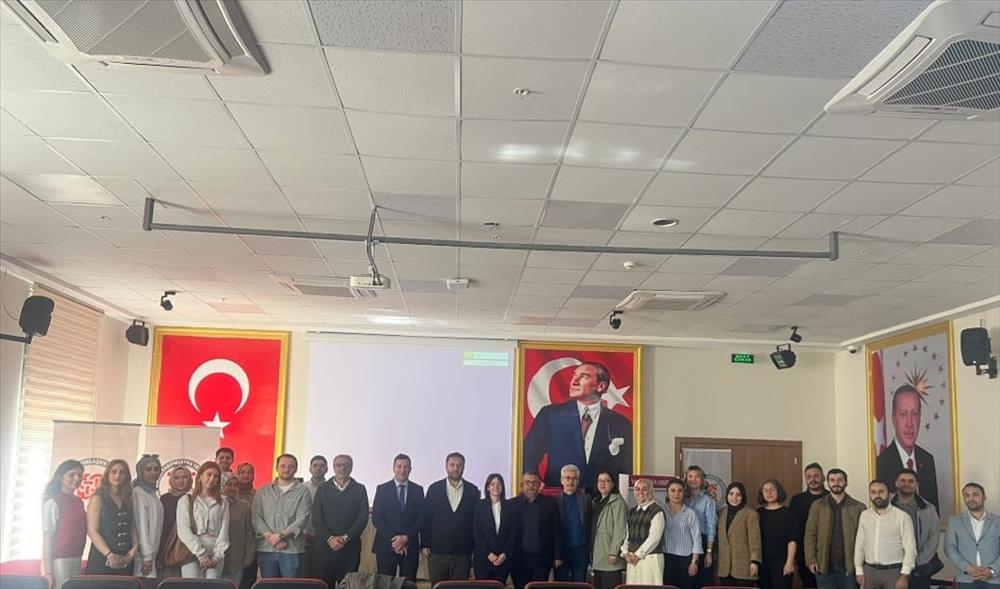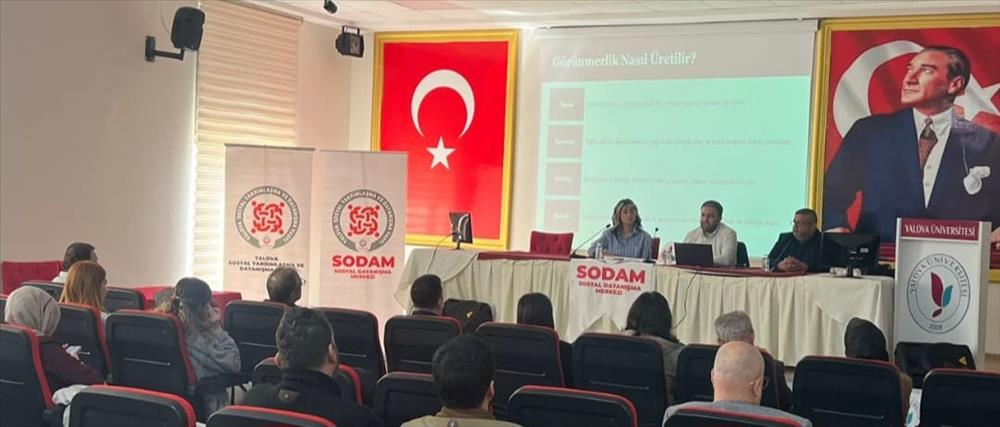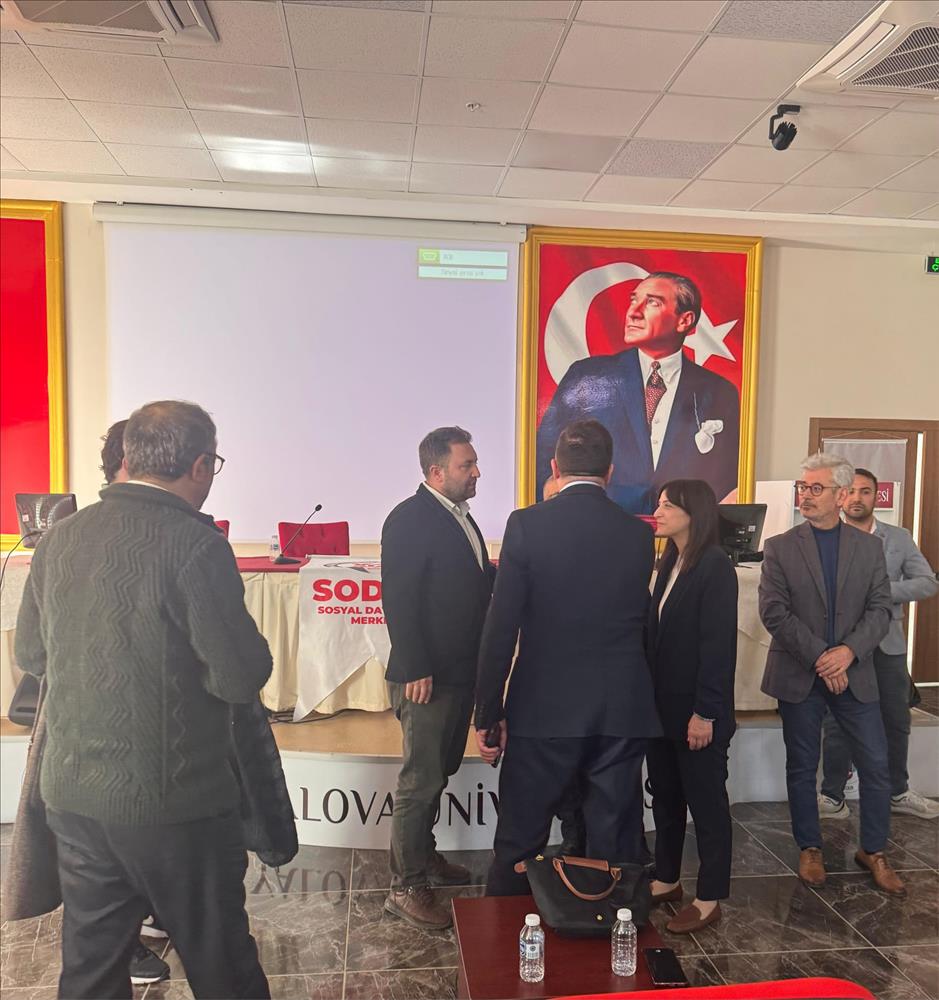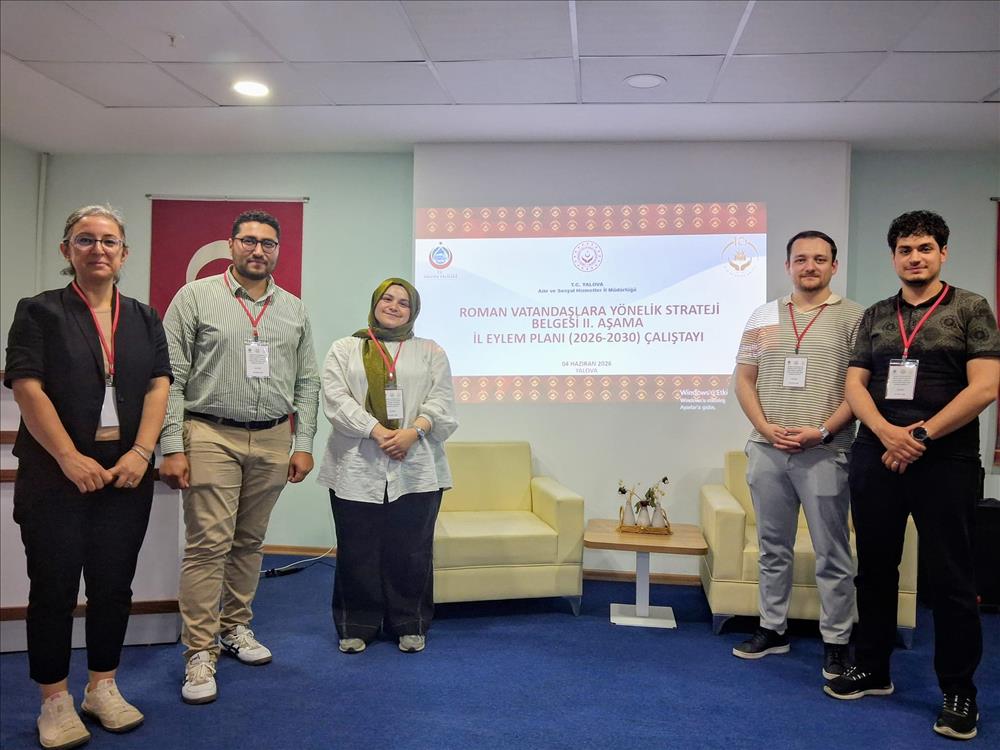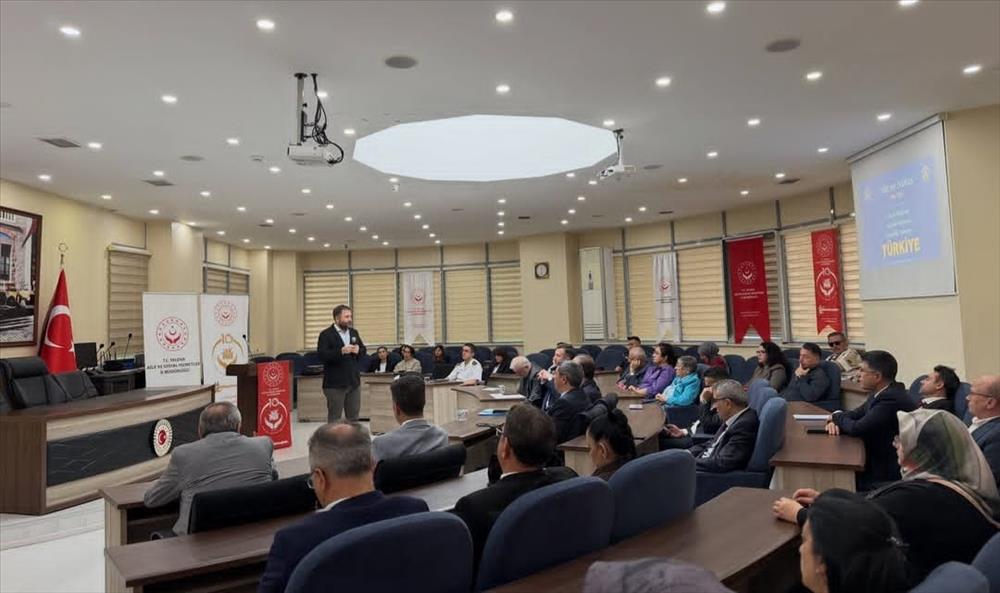


The panel titled “Roma People and Roma Culture,” organized as part of World Roma Day on April 8, was held on Tuesday, April 7, 2026, at 2:00 p.m. in the Rectorate Conference Hall.
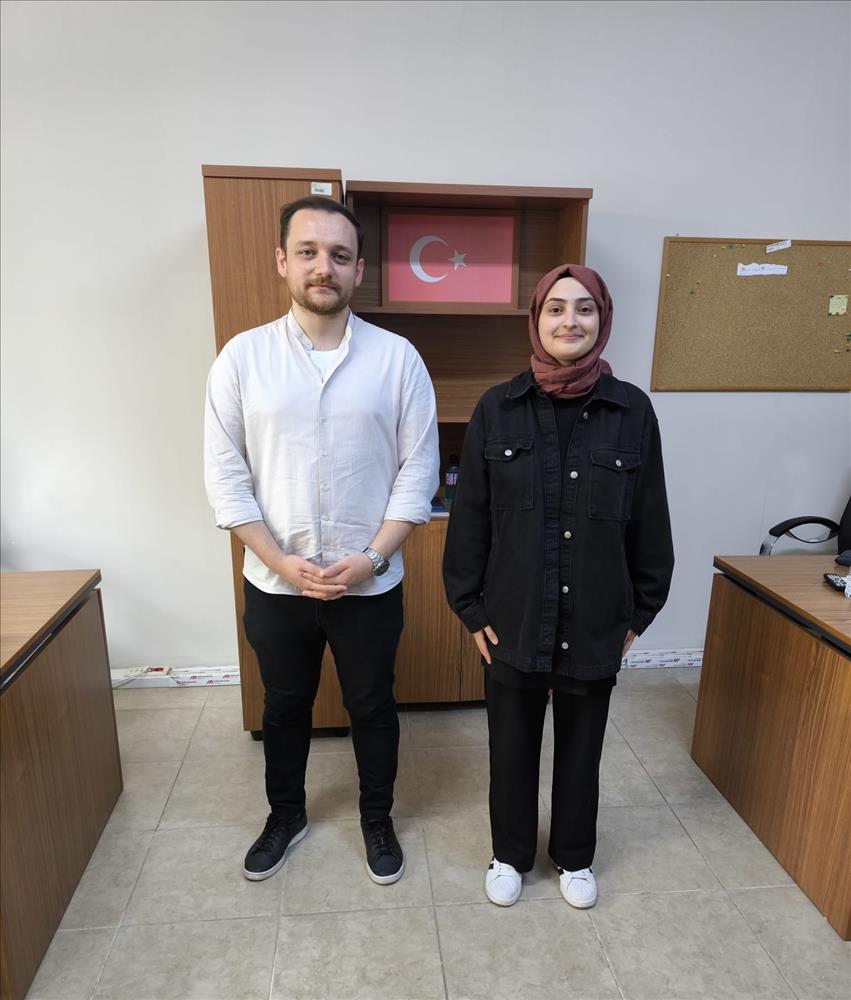
The panel featured presentations by Prof. Dr. Harun Ceylan, Kerem Koyuncu, and Gülçin Balcı, who provided comprehensive analyses on the historical processes, cultural structures, social issues, and empowerment approaches from a social services perspective regarding the Roma community.
The event was attended by Mr. Arif Laçin, Provincial Director of Family and Social Services in Yalova; Ms. Sümeyye Yanık Doğan, Deputy Provincial Director; Ms. Gülhanım Buz, Director of the Yalova Social Assistance and Solidarity Foundation; as well as academics and students. The panel served as an academic event that strengthened collaboration between the university and public institutions and raised social awareness regarding Romani culture.
During the panel, topics such as social exclusion, education, employment, cultural identity, and social integration processes within the Romani community were addressed, while efforts carried out under the Romani Action Plan and the contribution of public policies to the social integration of Romani people were also evaluated. While the importance of social service practices grounded in cultural sensitivity, social inclusion, and empowerment was emphasized, it was noted that collaboration among academia, public institutions, and local stakeholders is critical for the empowerment of the Romani community. At the conclusion of the panel, students and participants requested the organization of similar events that would address the Romani Action Plan and Romani culture in greater depth.
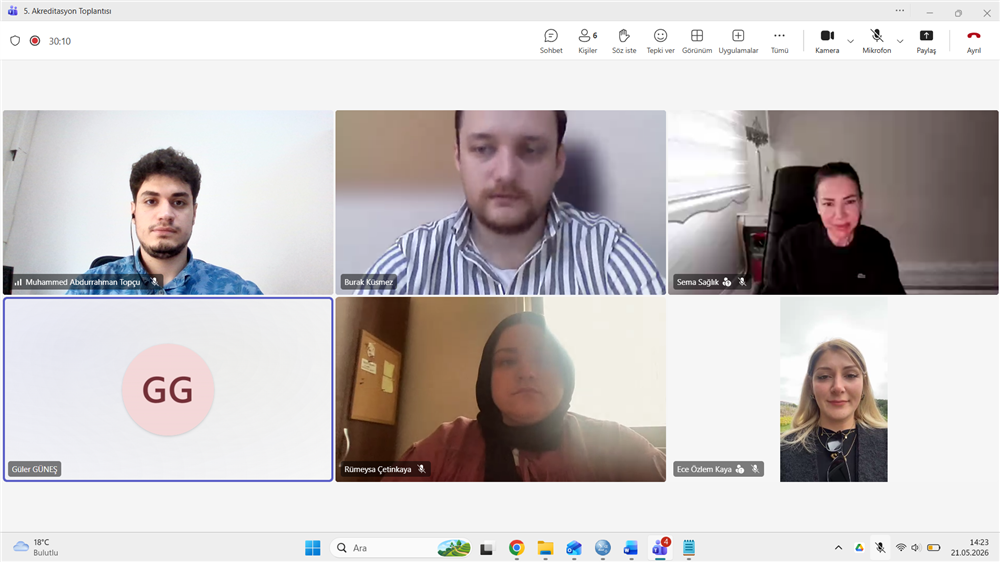
The panel, which concluded interactively with a question-and-answer session, served as an academic activity that encouraged active student participation, strengthened collaboration with external stakeholders, and made a significant contribution to accreditation and quality processes through its high social impact.